

The Ceramic Surface
The Ceramic Surface Book by Matthias Ostermann
This book has been a great way to explore how ceramic artists utilise the surface and the different ways in which artists transform the surface- These are some of the artists I found that stood out during my time reading the book.
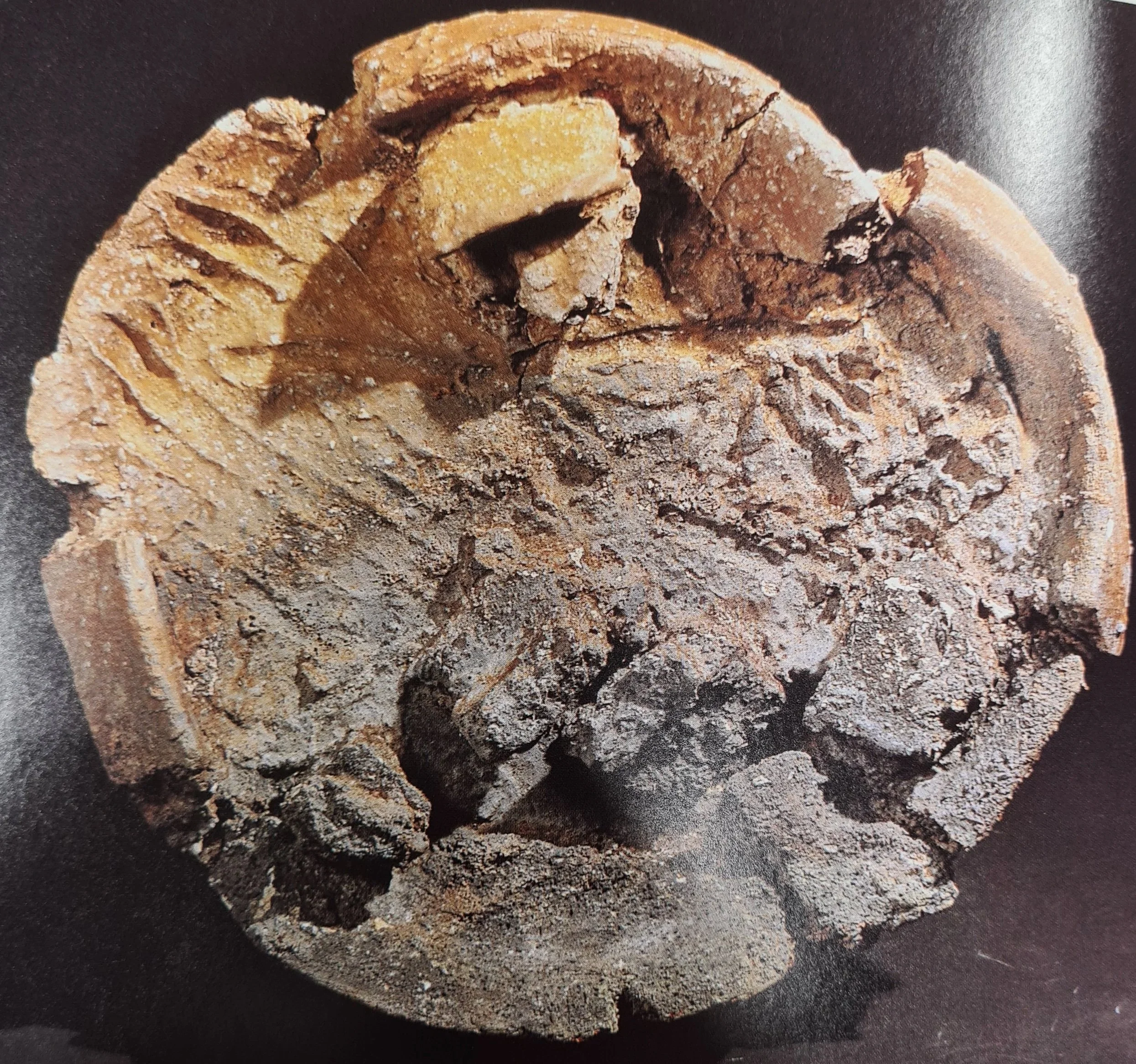
Peter Voulkos
This piece was wheel-thrown and put in a high-fire reduction using a stoneware body. One half was Japanese Local Clay.
Voulkos refers to himself as an abstract expressionist.
“I can’t just sit there and think of an idea. Most of it just comes out of my hands. I have always used whatever comes to hand, or into my head, that makes sense in my own work- that I can get some energy from” Pg- 8
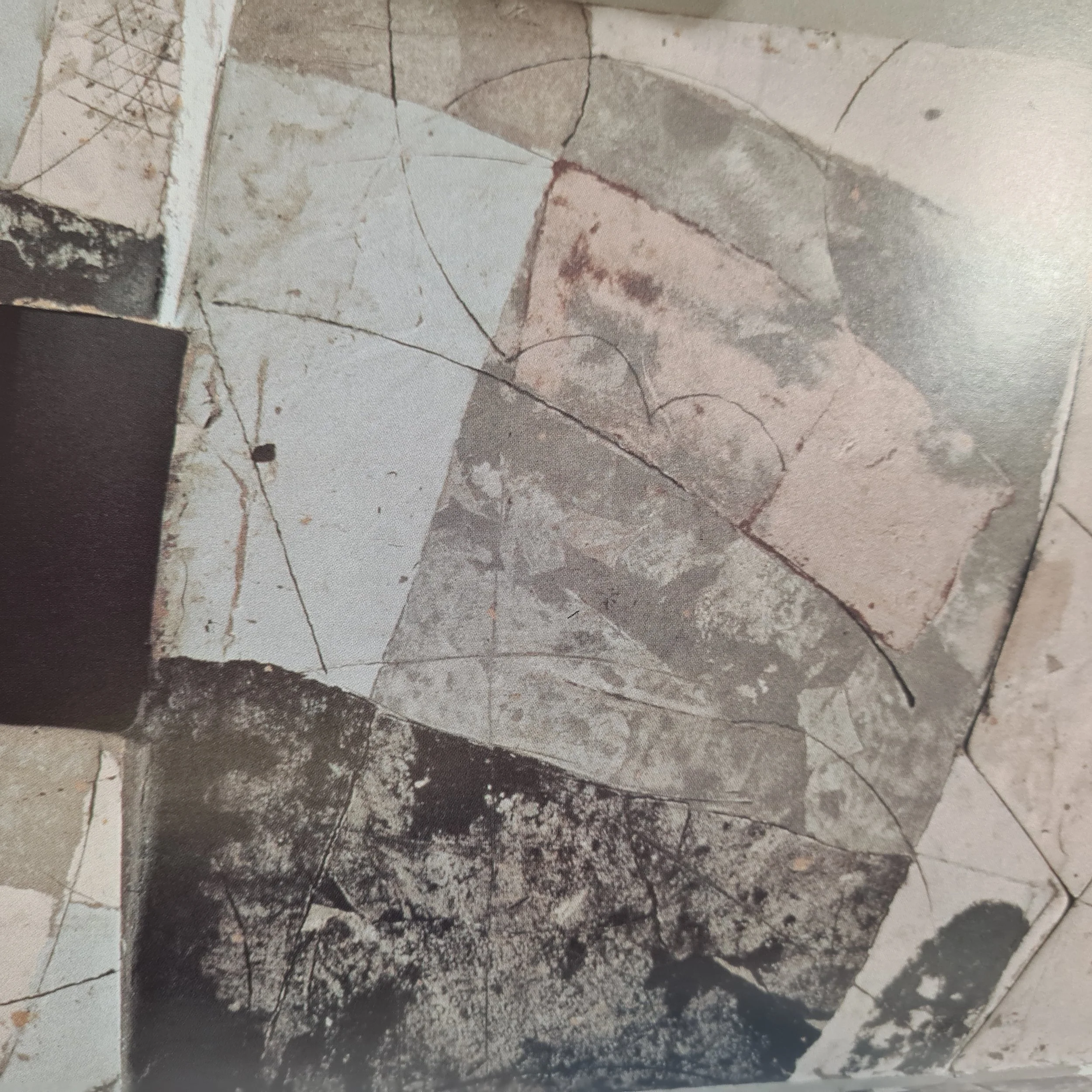
Renee Reichenbach
Colour in clay- inlaid coloured clays with sgraffito and rubbed in oxides, slip and glaze. Mid range firing in oxidation. They clay also contained grog. Pg- 43
“When I have finally found a form that pleases me- be it a teapot, vessel or plate- I then view it as an abstraction. This frees me from all the formal rules”
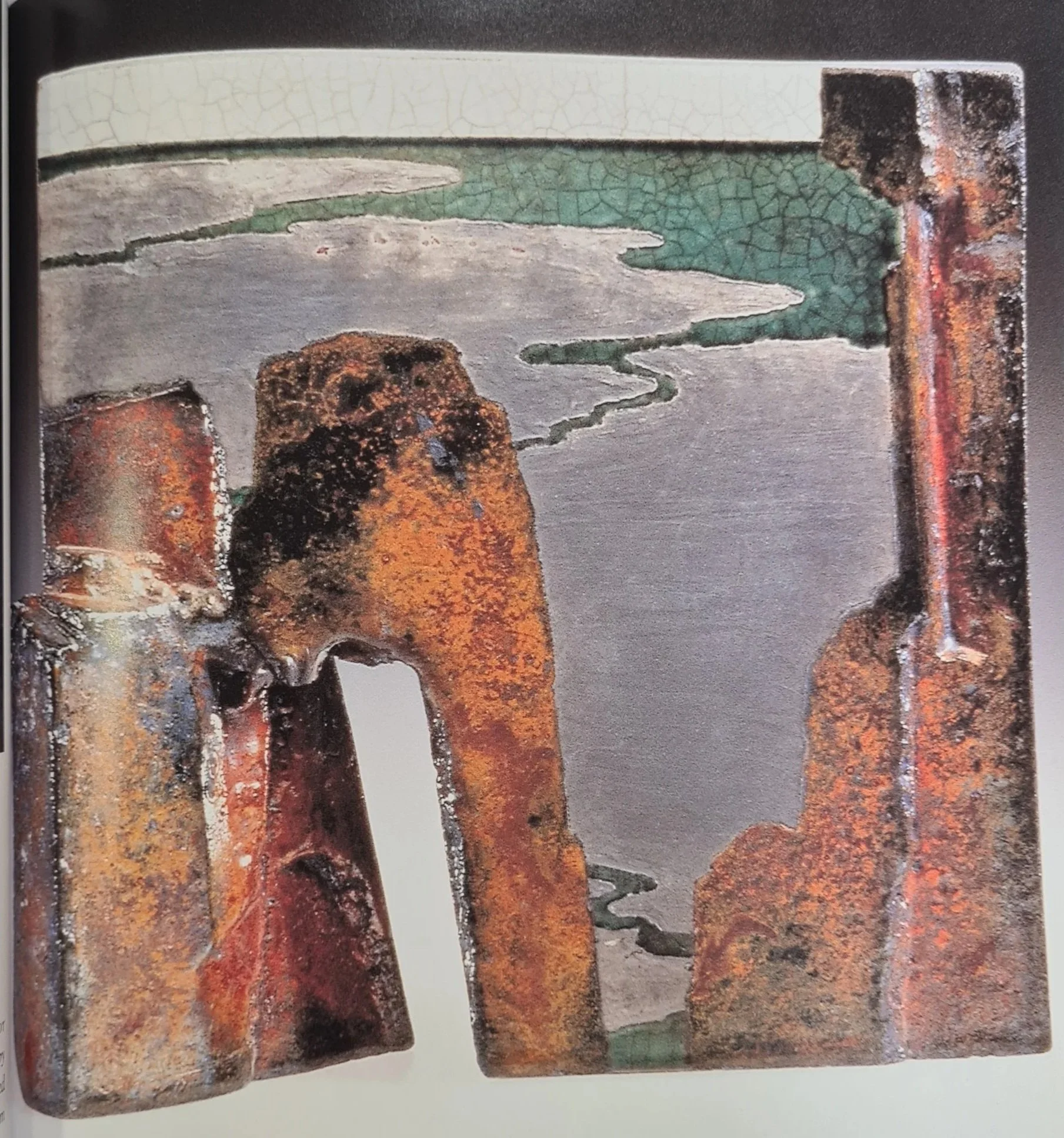
Wayne Higby
“Monument Beach”
Raku-fired piece- Low fired raku clay in reduction, 1000’c. Slab constructed form. Removed from kiln and put in some damp straw.
“By process it is an analogue to nature herself- earth, water and fire team together to bring forth the mysteries of place” Pg 110
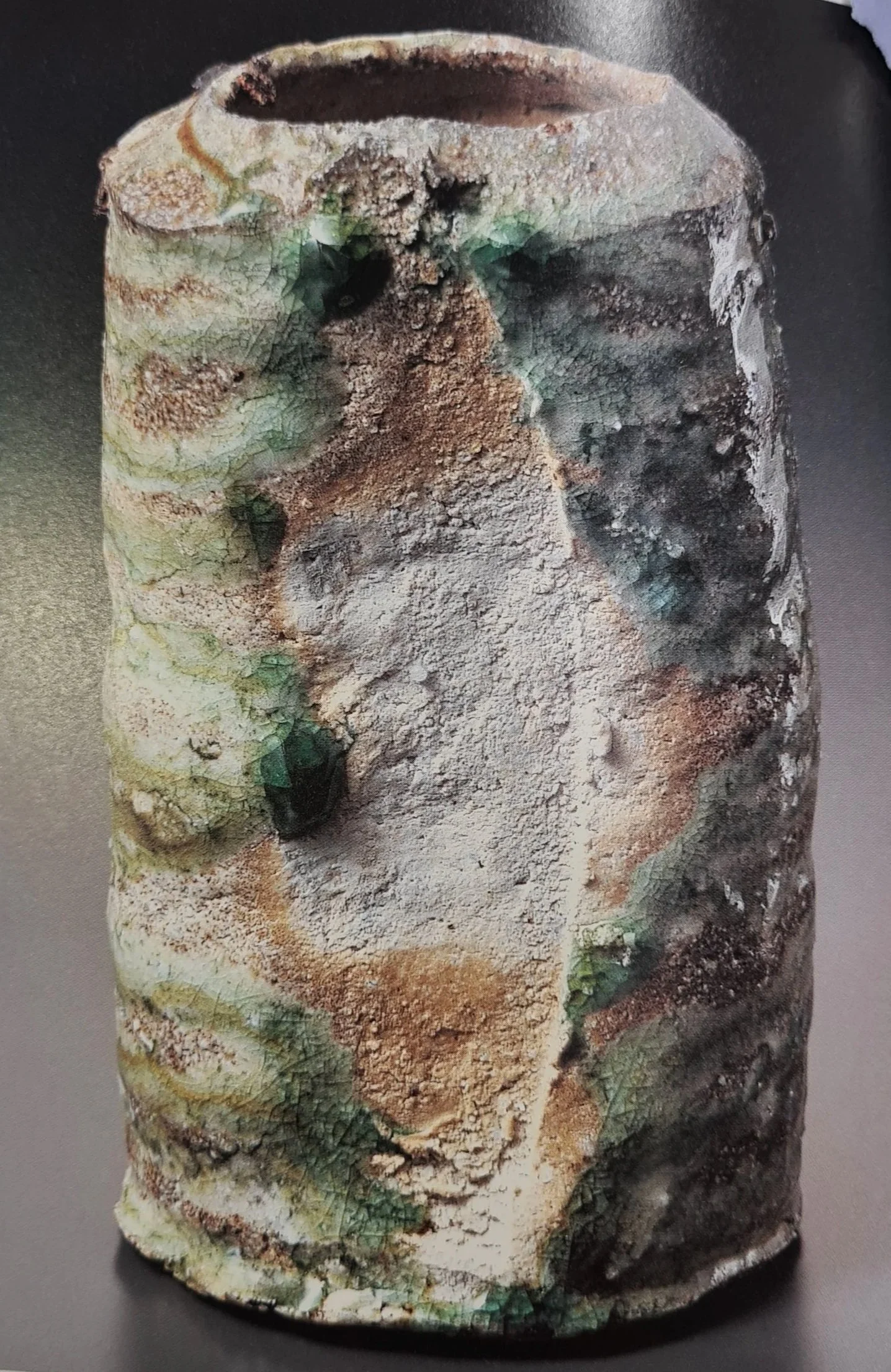
Yasuhiro Kohara
‘Flower Vase’ - Red pine ash dripping. High-fired stoneware reduction. Coil thrown vase. Colour and pattern occur through ‘bidoro flow’ (Natural ash deposit) Fired at 1300’c. Pg 172
Don Reitz
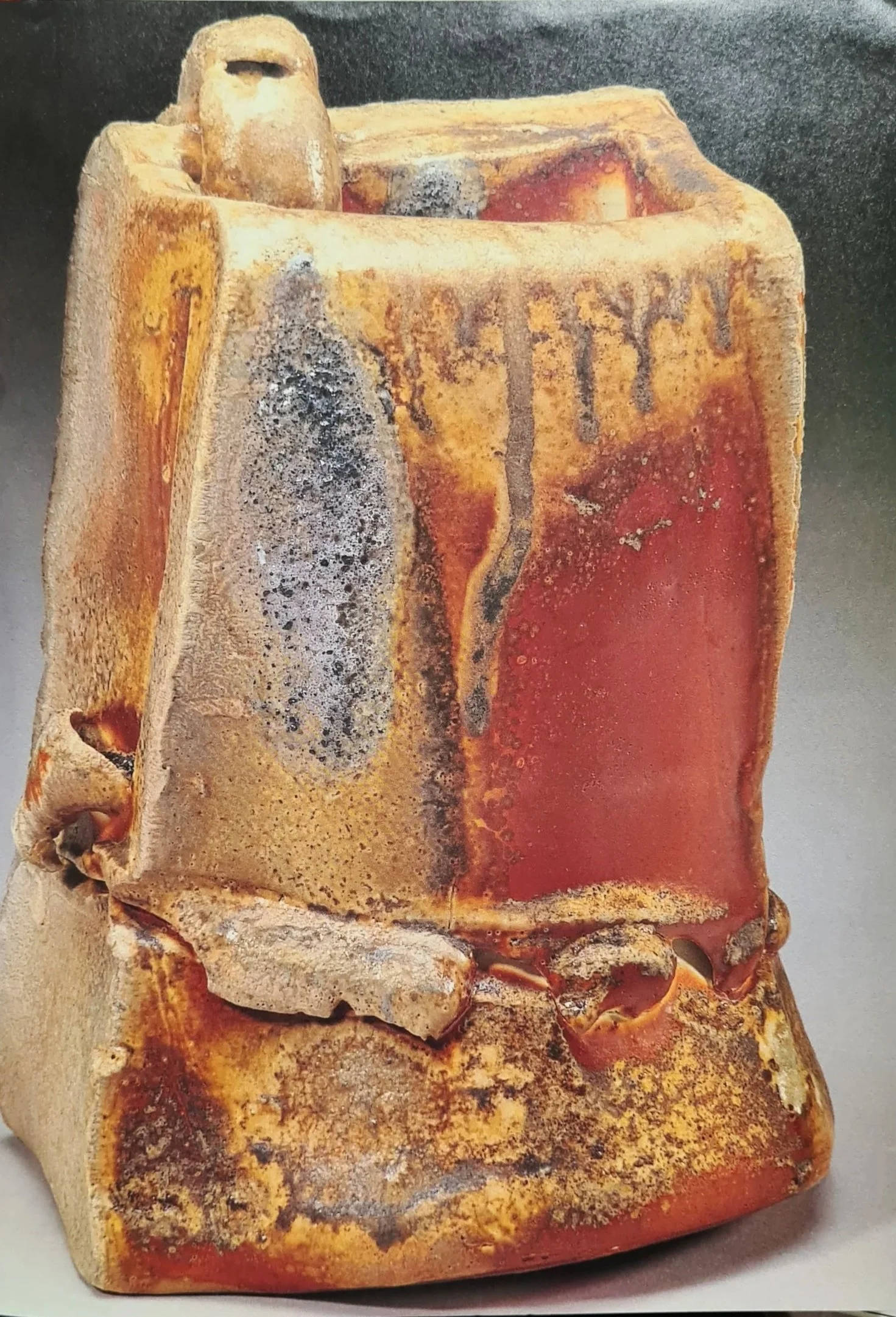
‘Punch Out’ - Kaolin and dripped ash on stoneware. High-fired reduction.
This piece was built by literally punching out a halved block of clay with a thick piece of square wood. A clay strip was added, with some wire cutting on the surface. Wood fired with oak over four days.
“three-dimensional canvas which I can push, pull, strike and draw into- The fire adds it’s painterly qualities” Pg 172
Jenny Beavan
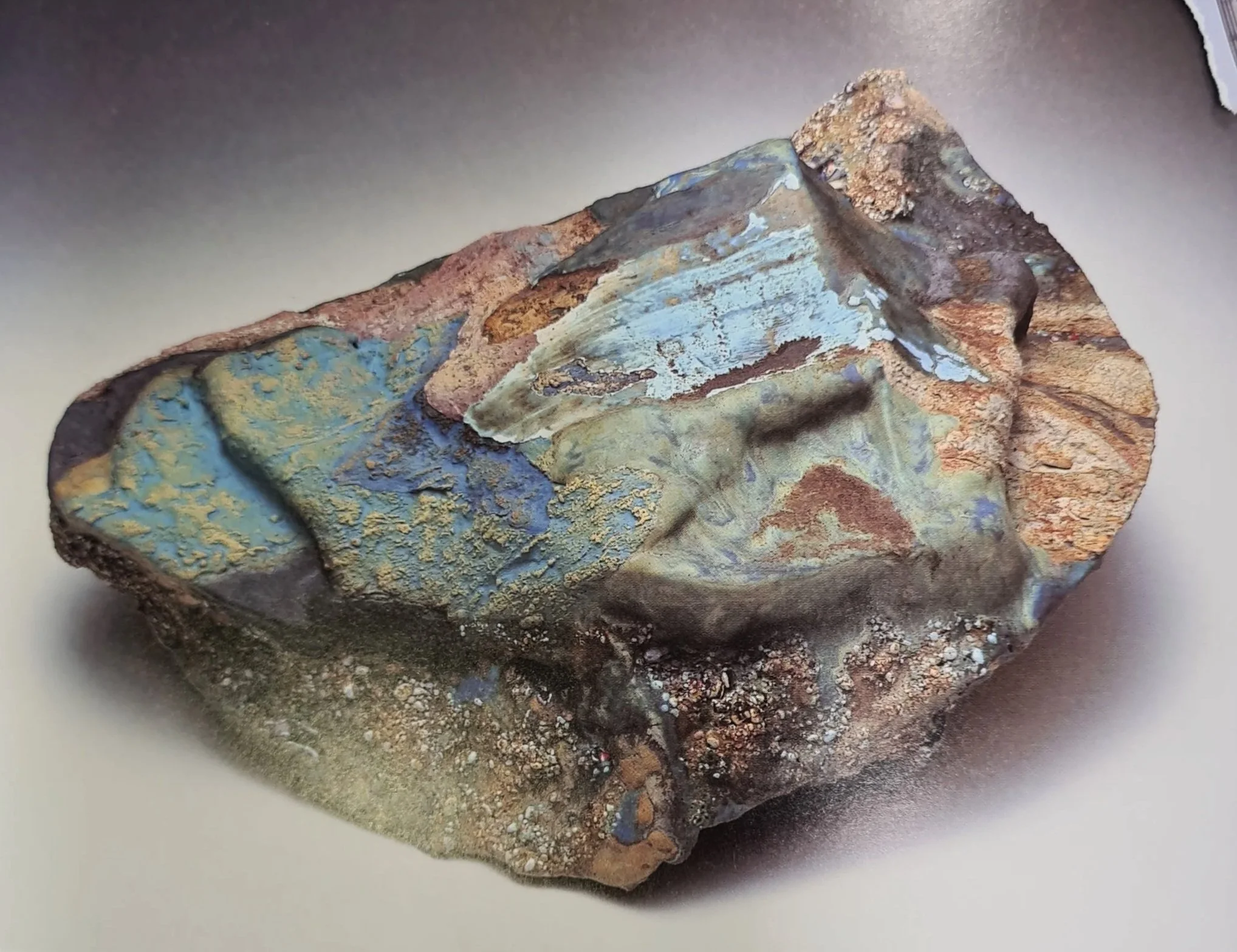
‘Plate movement’ - Direct rock impressed slab with fused indigenous materials. High-fired in oxidation. Beach sands, minerals and river mud were layered with texture and coloured slips and glazes. 1240’c firing. Pg- 178
Jim Leedy
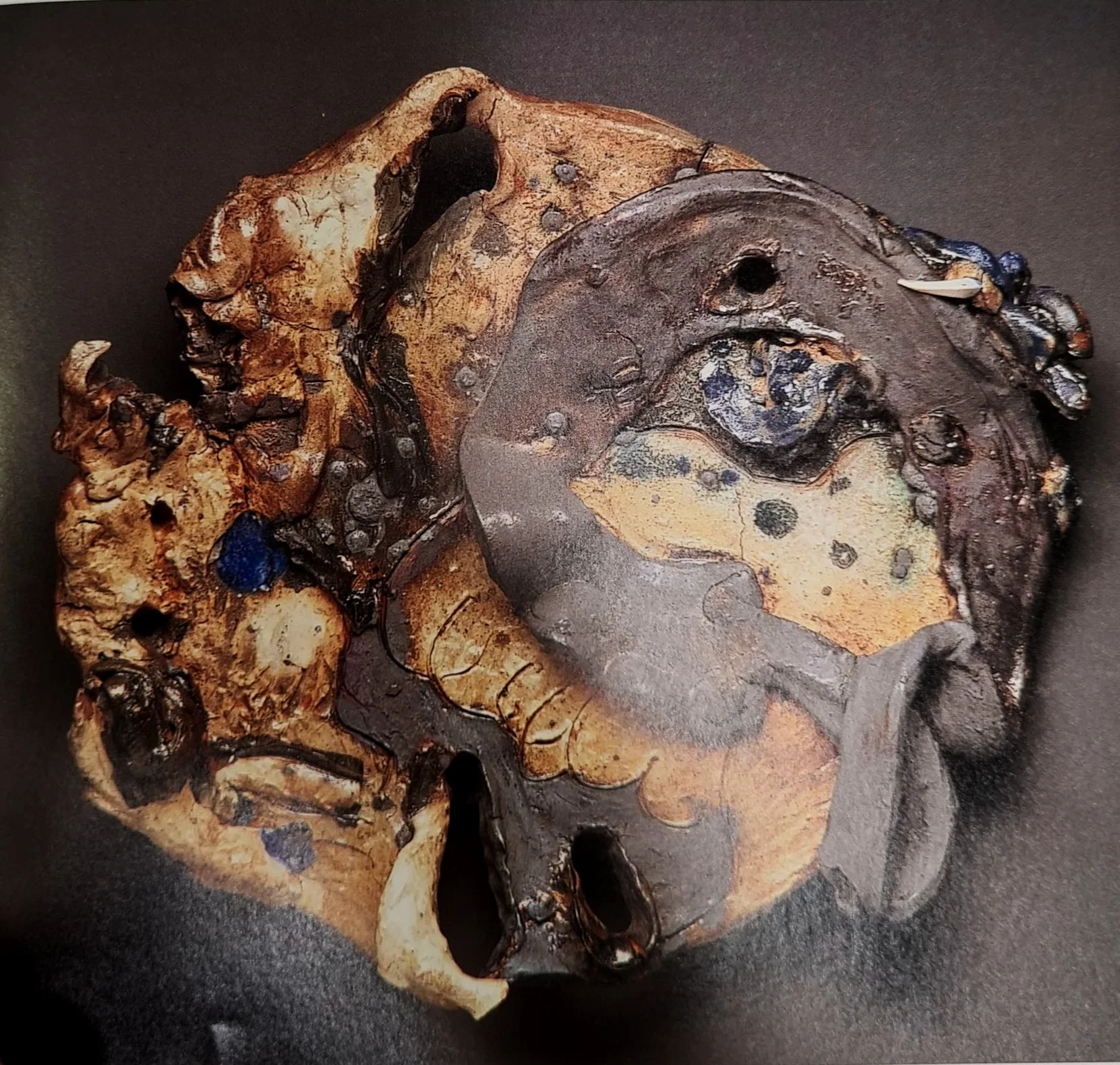
‘Ribbon plate’ - Thrown, folded and manipulated clay with bronze, iron and glass additions. High-fired stoneware, salt glazed reduction. Layered porcelain slip, glass chucks imbedded into the clay.
“I try to become one with nature, to flow freely as a tree grows or a stream flows directed only by the forces of resistance that nature has established” Pg 181
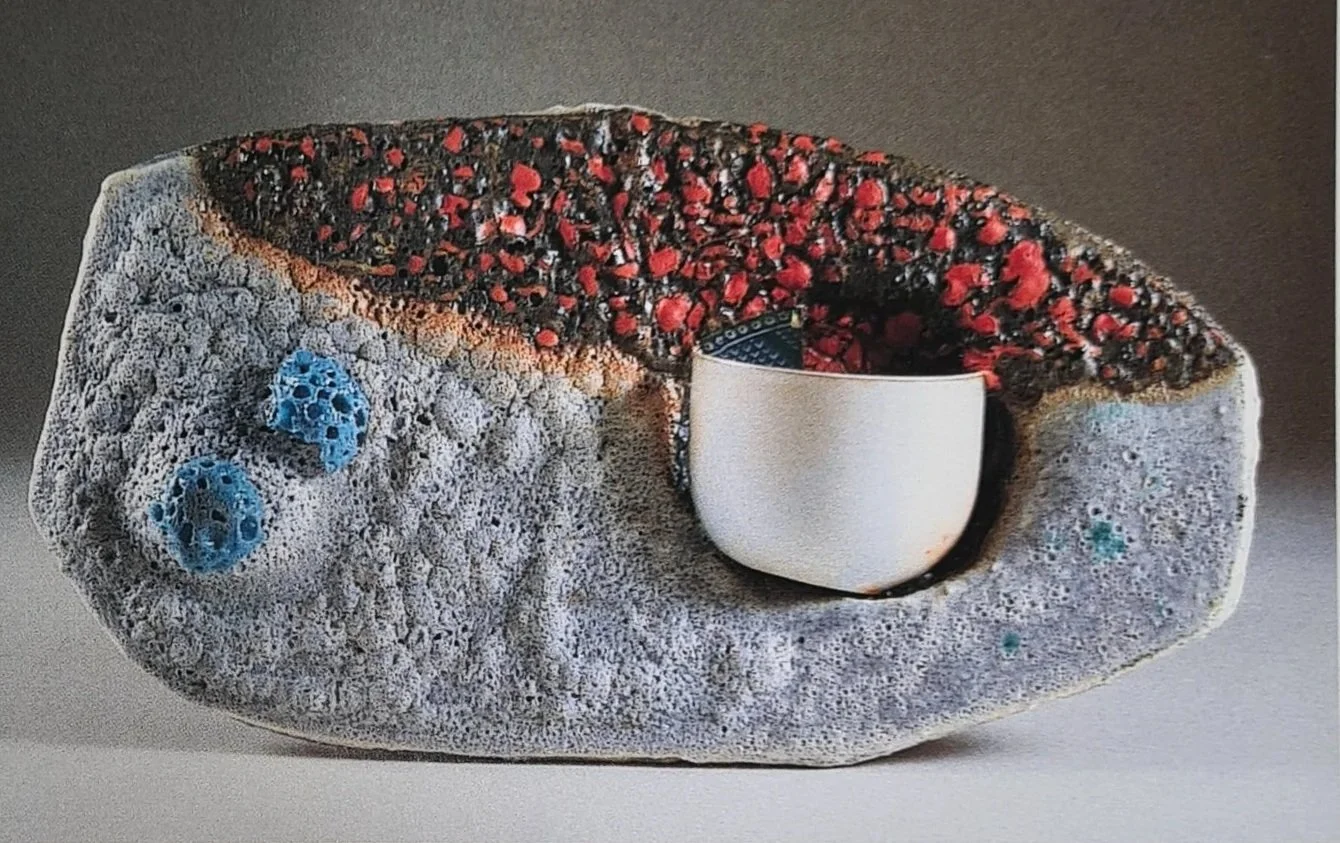
John Chalke- ‘Thin cup and Red Sky’ - Found shards embedded in stoneware slab, low-fired, oxidation. Upper red glazed with lead/chrome glaze. Below was a silicone/carbide mixture with added sand, frit, copper and flour. Pg 185
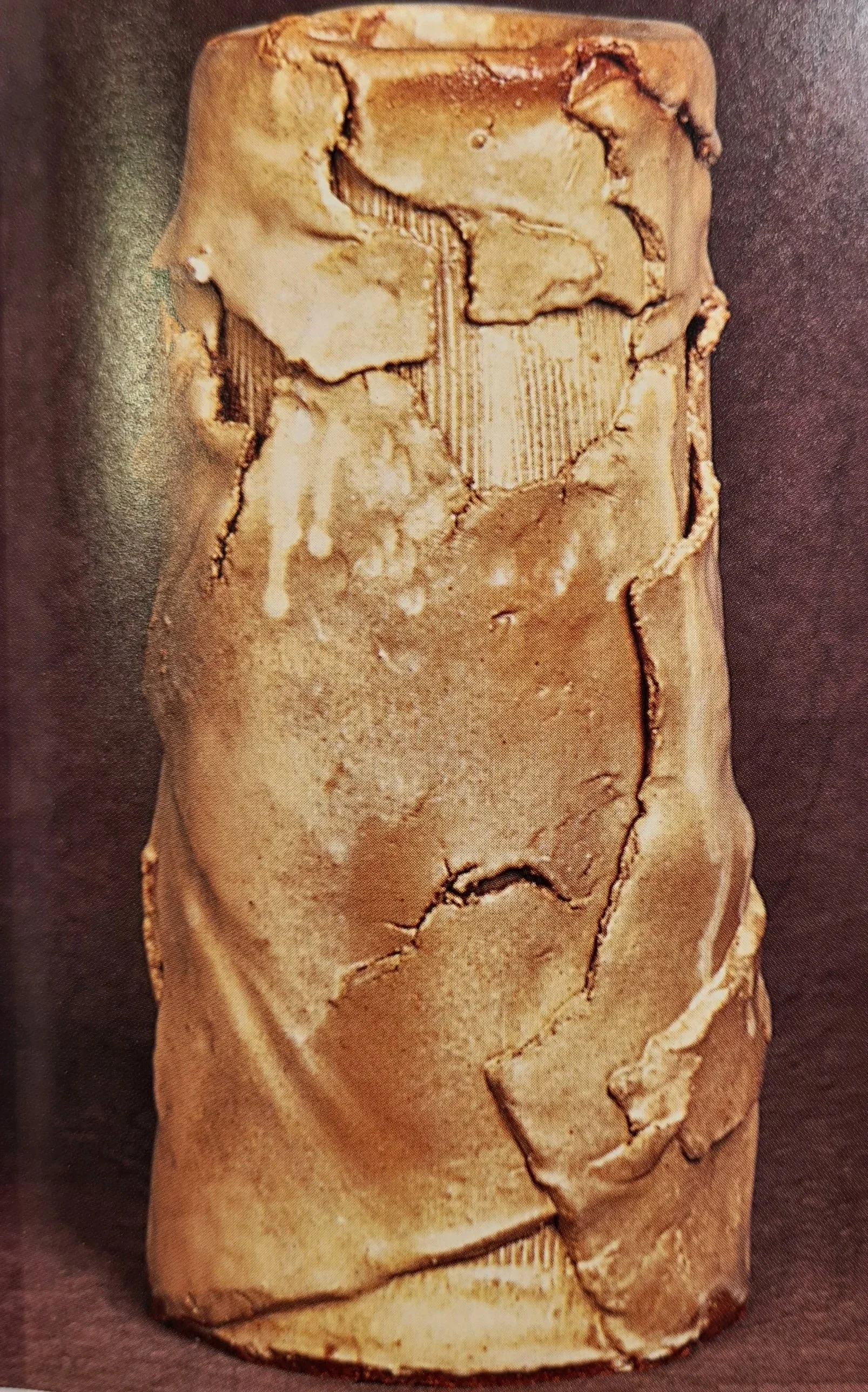
Julian A. Jadow
This is a high-fired stoneware piece in reduction at 1300’c. A cylinder form was created, then a thin slab was draped over the top which was then ripped and torn. The glaze was then sprayed over the piece. Pg- 17
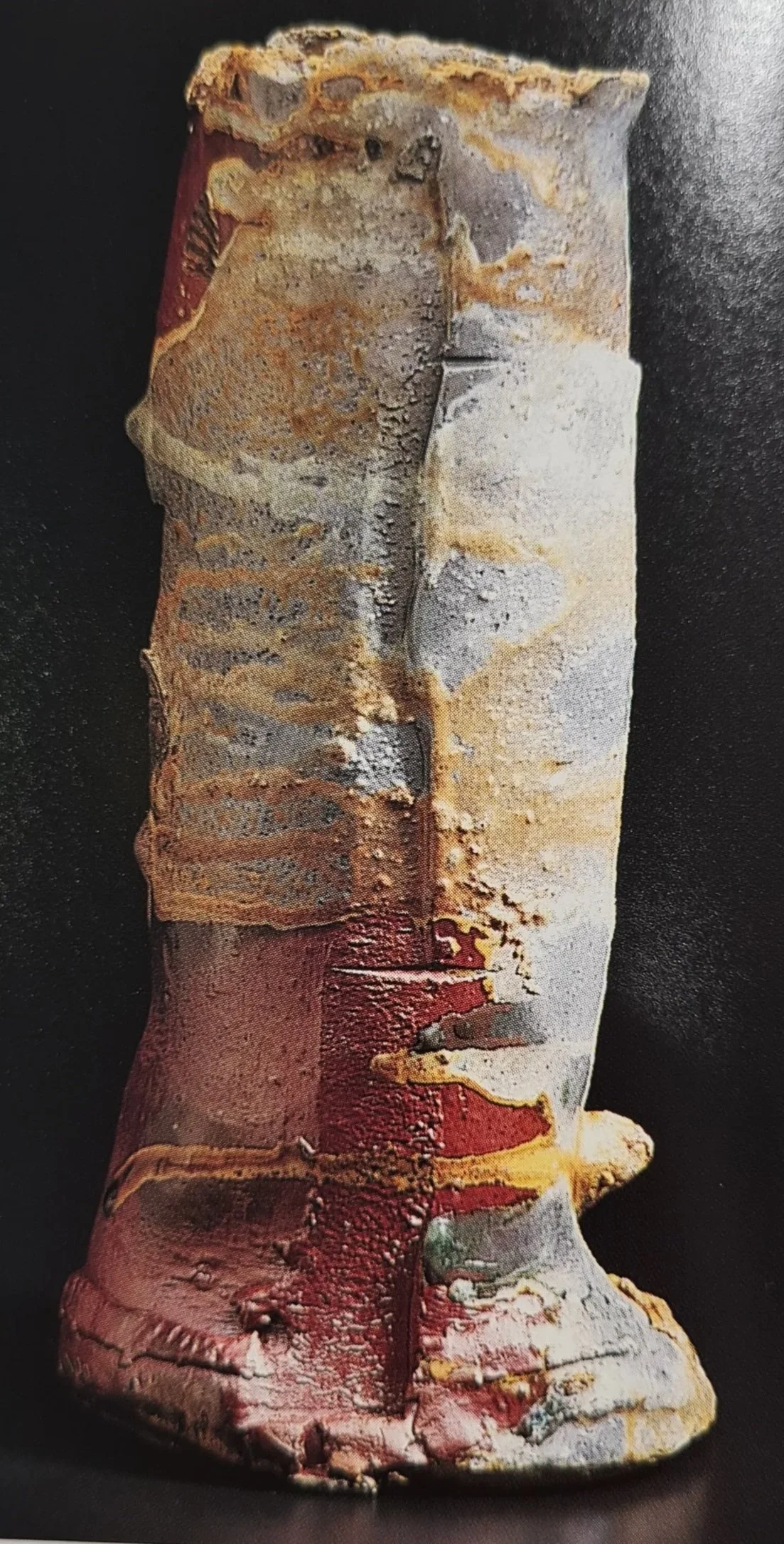
Jeff Shapiro
Extruded form- Dripped ash wood glaze, wood-fired stoneware. High-fired in reduction. Made from stoneware, porcelain and natural deposit clays. Iron slip applied to dry piece. Eight day firing at 1300’c.
“The imperfections of nature reflected in the fired pieces” Pg 170
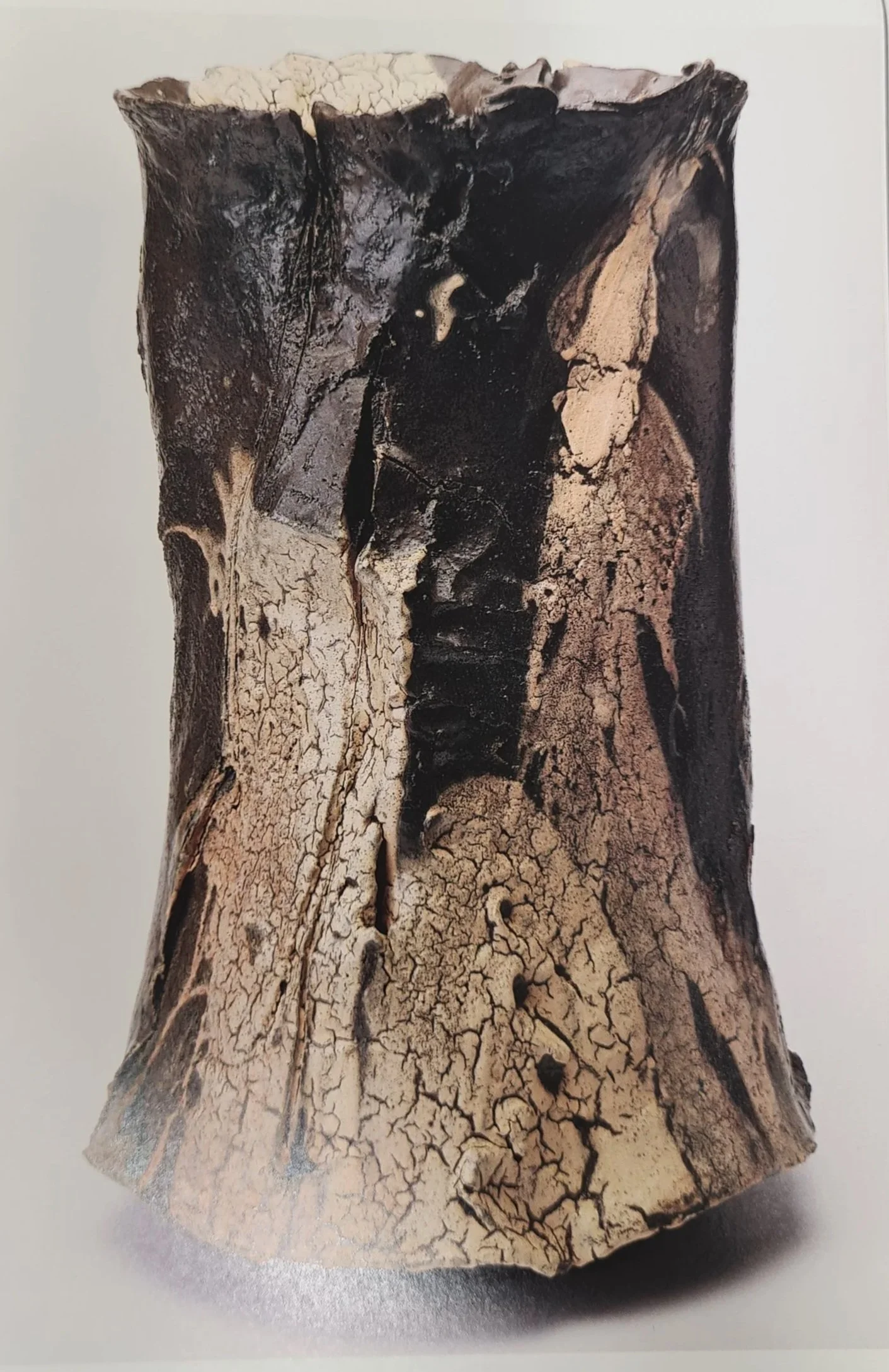
Claude Champy
Double walled vase- wood fired, saturated oxide glazes, high-fired stoneware reduction. Loosely slab constructed of grogged stoneware. Fired at 1300’c over 15-20 hours. Pg-175
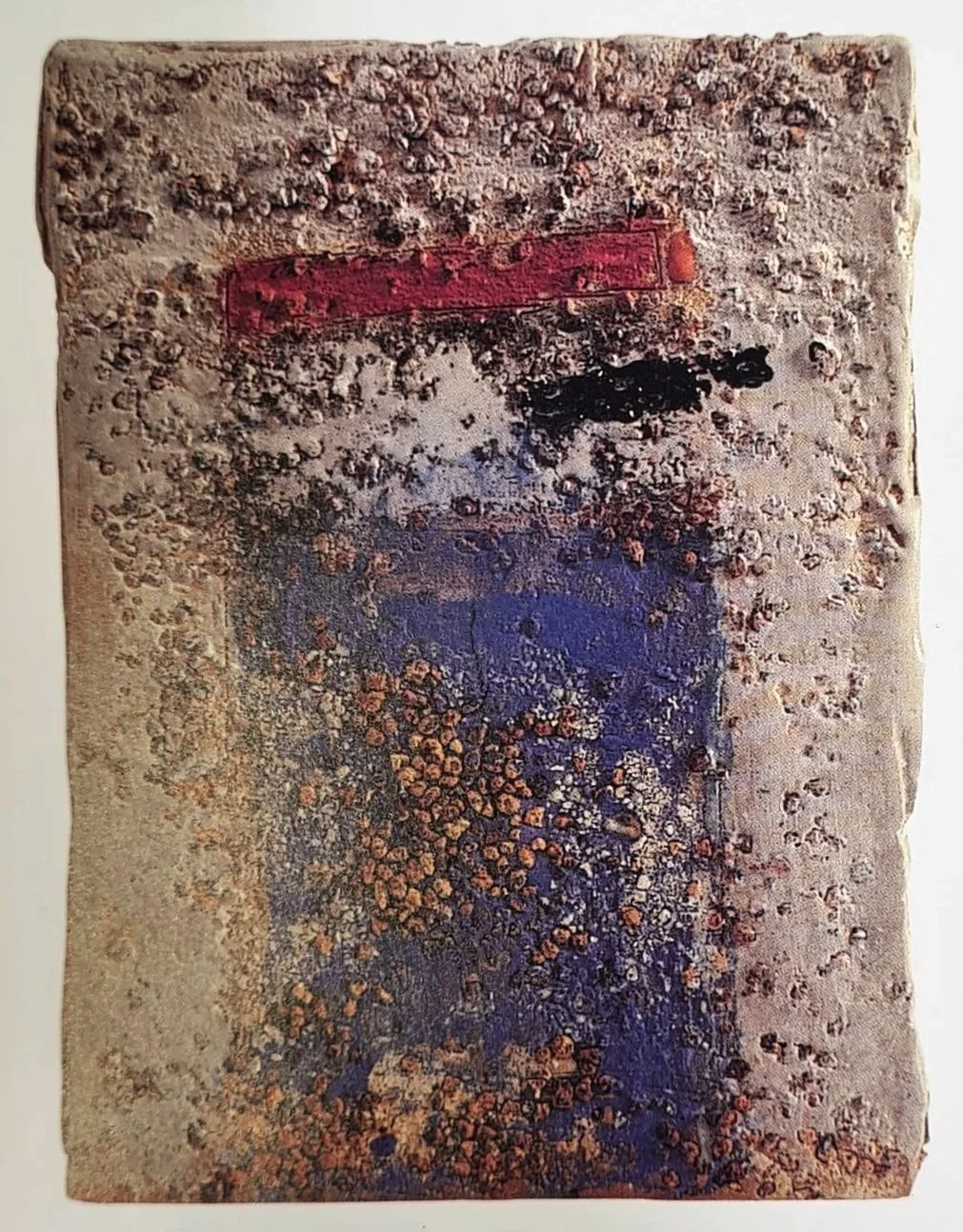
Robin Welch
‘Red Over Blue’ - Slips, dry clay crumbs, underglaze, oxides and enamels. Multiple firings- stoneware, reduction. Double-sided stoneware slab, considered a double sided abstract painting.
-Based loosely on the outback Australian Landscape. Pg 182